Article
How Albums Removed From Music Services Are Re-Registered as Reissues or Under Different Distributors
Artists and labels sometimes remove an album from Spotify, Apple Music, Tidal, and other digital services when changing distributors, correcting ownership information, or preparing a new edition. A catalog transfer can preserve existing track associations, but no distributor can guarantee that every service will retain all play counts, playlist placements, library saves, reviews, or public URLs. Each digital service controls its own catalog-matching process. The safest approach is to treat a distributor change as a migration of the same sound recordings. Preserve the identifiers and source files connected to those recordings, publish the replacement version first, and remove the old delivery only after the new version has been checked.
6 Golden Rules to Improve the Chance of Retaining Streams When Switching Distributors
Digital services may recognize two deliveries as the same recording when their audio, identifiers, and metadata are consistent. DistroKid advises artists changing distributors to reuse the same metadata, ISRCs, and audio files, while warning that retained play counts and playlist placements cannot be guaranteed.
Exact Metadata Matching
Keep the primary artist name, featured-artist credits, track titles, album title, version information, and explicit-content status consistent. Avoid adding terms such as “remastered,” “deluxe,” or “2026 version” unless the replacement is genuinely a different edition. Even a small metadata change can cause a service to treat the delivery as a separate release or map it to the wrong artist page. Capitalization and punctuation should be copied from the existing release where the distributor permits it. Before uploading, export the old metadata or save screenshots of every track record.
Preserve Original Audio Files
Use the same final audio masters delivered through the previous distributor when transferring an unchanged recording. Do not trim silence, adjust volume, replace a fade, change the mix, or export the file through another mastering process. The files do not need to be described as matching “to the millisecond” under a universal DSP rule. The practical requirement is that the replacement should represent the same recording rather than a modified version.
Keep Artwork and Copyright Information Consistent
Identical cover artwork is not an official requirement for retaining a track’s ISRC or play count. However, keeping the same artwork, label name, copyright lines, and release description helps listeners and catalog teams recognize the replacement as the same release. Artwork can be changed during a reissue, but the new presentation may cause the album to appear as a separate edition. Confirm whether the goal is a direct distributor transfer or the launch of a visibly different product.
Maintain the Release Structure Where Possible
Keeping the same track order and release configuration reduces unnecessary differences during a catalog transfer. The release type does not control the identity of an individual recording. Spotify notes that the single and album versions of the same recording should generally share one ISRC, while live or acoustic versions require different identifiers. A track can therefore appear on a single, standard album, compilation, and deluxe edition while retaining the same ISRC, provided the actual recording has not changed.
Match ISRC Identifiers
Reuse the original ISRC assigned to each unchanged recording. IFPI states that an ISRC remains with a recording throughout its lifespan, including when ownership changes or the recording is distributed through different services and licensing agreements. Do not generate a new ISRC merely because the distributor has changed.
The album UPC or EAN identifies the release-level product rather than the individual recordings. Some distributors allow the original barcode to be entered, while others may assign a new one. A new UPC can create another album-level listing, but it does not automatically require new ISRCs for unchanged tracks.
Original Release Date Alignment
Enter the date on which the album or track was first commercially released when the distributor provides an original-release-date field. Use the new delivery date only for the scheduling field that determines when the replacement becomes available. This helps services place the release in the correct catalog period and avoids presenting an old album as a newly recorded project.
A 3-Step Safe Re-Registration Process to Prevent Unexpected Downtime
The old release should normally remain online until the replacement has reached the required services.
[Step 1: Upload Catalog + Input Original ISRCs to New Distributor]
│
▼
[Step 2: Wait Until the New Delivery Is Live ➔ Verify Every Service]
│
▼
[Step 3: Issue Takedown Request to Old Distributor]
Step 1: Catalog Import and Exact ISRC Mapping
Collect the audio masters, ISRCs, original release date, artist identifiers, track sequence, artwork, copyright information, and existing service links before closing the old account.
Amuse’s transfer instructions tell users to obtain the original title, artist name, track length, audio file, and ISRC so the replacement can be recognized as the same recording.
A catalog-import feature may reduce typing errors, but every imported field should still be reviewed manually.
Step 2: Await Streaming Data Synchronization
Do not rely on a fixed two- or three-day waiting period. Delivery and catalog processing times differ by distributor, service, territory, and release size. Once the replacement is live, confirm that it appears on the correct artist profile, contains the correct audio, uses the expected ISRCs, and shows the right track order and release date.
Spotify may group duplicate album deliveries under additional release versions, but the appearance of a “more releases” option is not a published requirement for a successful transfer. Check visible play counts where available, but remember that matching can occur differently on Apple Music, Amazon Music, YouTube Music, and other services. If the replacement appears on the wrong Spotify profile, use Spotify for Artists’ content-mismatch process. Spotify says catalog-splitting and incorrect-profile problems can be reported directly through Spotify for Artists.
Step 3: Issue a Safe Takedown Request With the Old Distributor
Request removal through the previous distributor only after the new delivery has been checked on the services that matter most. CD Baby and Amuse both instruct transferring users to publish through the new distributor before removing the older delivery.
Takedown timing varies. Some services may remove the old version quickly, while others may continue showing both deliveries for a period. Keep the old distributor account accessible until pending royalties, statements, tax documents, and removal requests have been resolved.
Handling Special Cases: Remastered Tracks, Deluxe Editions, and Artist Name Changes
Remastered Versions
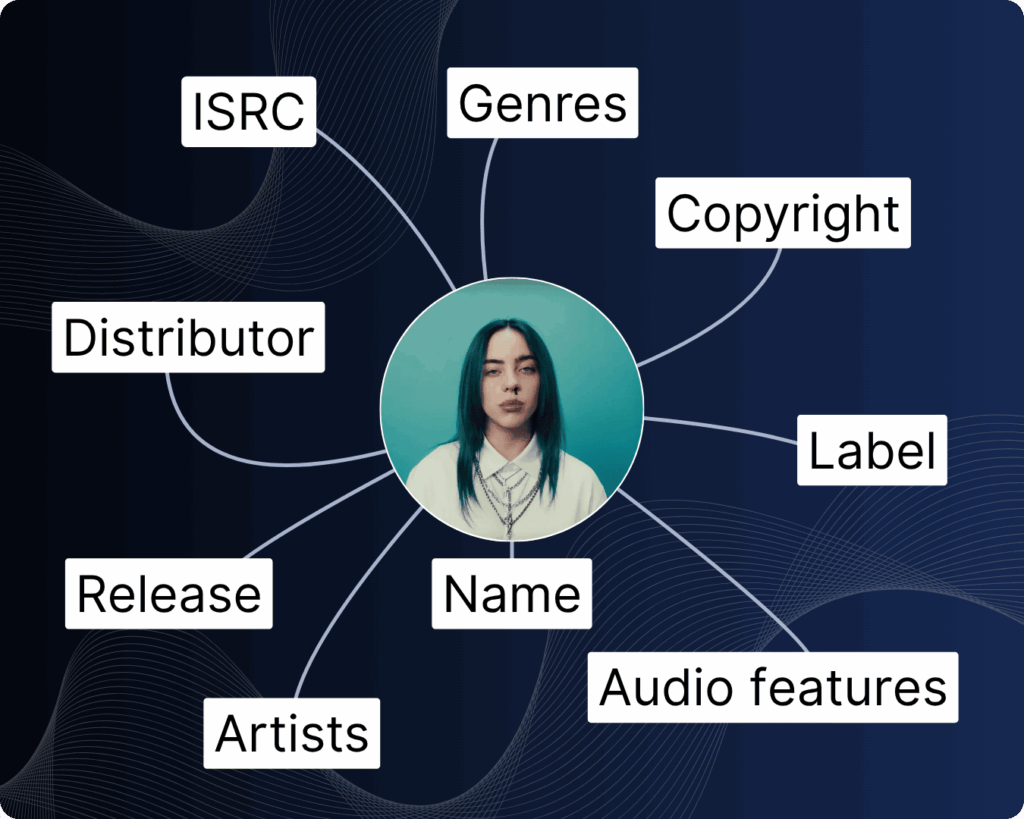
A remaster can retain the original ISRC when it remains fundamentally the same recording. IFPI says a new ISRC may be necessary when the remaster involves significant new creative input. Remixes, edited versions, different takes, and changes in playing time exceeding ten seconds generally require new ISRCs.
Do not reuse an old ISRC solely to force a materially different recording to inherit historical streams.
Deluxe Editions
A deluxe album is a new release-level product because its tracklist or presentation differs from the standard edition. It will normally require its own UPC, EAN, or other release identifier.
Reuse the existing ISRCs for unchanged standard-edition tracks. Assign new ISRCs to newly recorded bonus tracks, remixes, acoustic versions, live performances, or edited recordings.
The original standard album does not need to be removed unless the rights holder has a separate commercial reason to replace it.
Artist Name Changes
A distributor switch should not be used as an informal method for changing an artist’s identity. Submit a coordinated name-change request through the distributor and confirm the policies of each service.
Catalog mapping can split releases across profiles or attach them to an artist with a similar name. Spotify provides a content-mismatch form, while Apple Music for Artists allows users to contact support under Artist Catalog Issues.
Play counts may remain associated with the recordings, but profile continuity is not guaranteed. Save all existing artist URLs and service identifiers before requesting the change.
The Unsubscribe Financial Trap: Hidden Costs to Keep Music Live Permanently
Artists should review what happens to existing releases before subscribing to a distributor. “Unlimited uploads” does not necessarily mean that releases remain online after membership ends.
The Annual Subscription Model
DistroKid states that releases may be removed when the annual subscription is no longer paid. Artists continue to receive earnings already owed, but ordinary releases are not promised permanent distribution after membership lapses.
Other distributors may charge one-time delivery fees, retain a commission, or include continued distribution under different account conditions.
Real Costs of “Keeping Music Live”
- DistroKid: Its current Leave a Legacy extra costs 29 USD for a single and 49 USD for an album containing two or more tracks. The nonrecurring extra prevents removal caused by a lapsed membership payment and allows the selected release to remain available after account cancellation.
- Amuse: Cancelling a subscription currently leaves existing releases online while applying a 25% service commission to royalties. Downgrading to a lower available subscription plan is different: Amuse states that users retain 100% of royalties but lose features belonging to the higher plan.
Policies and prices can change, so artists should save the applicable terms before uploading a catalog.
Industry Data and Financial Realities
The claims that more than 120,000 tracks are uploaded every day and that most independent releases earn only 10 to 20 USD per year should not be used without a clearly defined, current dataset.
Calculate the catalog’s real break-even point instead. Compare annual distribution fees, optional extras, commissions, withdrawal charges, expected royalties, accounting needs, and the cost of transferring the catalog later.
A low-earning release may suit a commission model, while a catalog with consistent revenue may benefit from a fixed subscription. The correct choice depends on actual statements rather than an industry-wide earnings assumption.
Securing Metadata “DNA”: Barcode Swapping Risks and Record Label System Failures
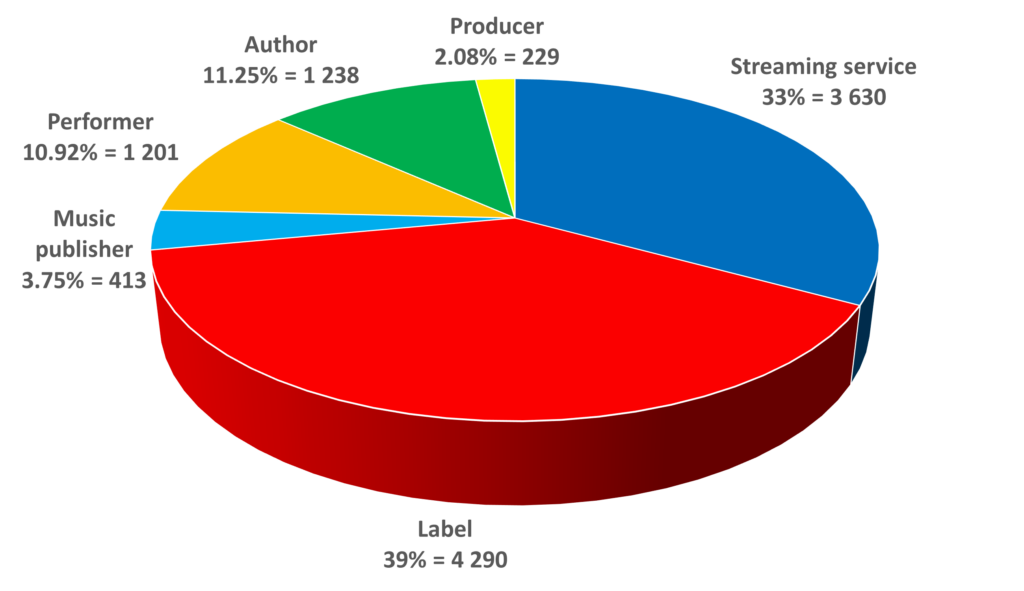
ISRC and UPC serve different purposes. The ISRC permanently identifies a sound recording. A UPC or EAN identifies an album, single, or other commercial release containing one or more recordings.
Systemic Risks of Unsynchronized Barcodes
Changing a UPC can cause retailers, chart systems, databases, or catalog tools to display a second release-level record. It does not automatically erase the histories of tracks delivered with valid existing ISRCs. IFPI’s release-identification guidance states that a change of distributor does not necessarily constitute a material change to a release. The same recording can also appear within several different release products.
Preserve the original UPC when the new distributor supports it and when the release is intended to remain the same product. When a new barcode is unavoidable, retain a cross-reference table containing both barcodes, every ISRC, distributor delivery ID, service URL, ownership date, and takedown status. MusicBrainz uses barcodes as one type of release information, but a changed barcode does not automatically “invalidate” all prior links. Separate digital editions can be documented as separate releases while still sharing the same recordings and ISRCs.
Case Study: Lantis Record Label (Japan)
The original claims that Lantis changed international distributors through ADA Japan, The Orchard, and Space Shower FUGA in three consecutive years and that specific barcode prefixes damaged Spotify, Apple Music, MusicBrainz, and chart analytics could not be verified through official label, distributor, or platform records. Those claims should not be published as a factual case study.
A legitimate migration case study would need dated distribution announcements, old and new release barcodes, ISRC records, service URLs, platform analytics, and confirmation that the observed changes resulted from the distributor transfer rather than a separate catalog update.
Key Takeaway: Preserve original recording identifiers, document release-level identifiers, and maintain a catalog crosswalk whenever a new distributor assigns a different UPC. Do not promise that retaining one barcode will preserve every URL, playlist, review, or analytics record across all services.
Re-registering an album under a new distributor requires consistent audio files, valid original ISRCs, accurate metadata, correct artist-profile mapping, and careful sequencing. Upload through the new distributor first. Verify the replacement on each important service. Request the old takedown only after the new delivery is live and correctly mapped. These steps improve the likelihood that services will recognize the recordings and retain associated play data, but they cannot guarantee 100% preservation. Artists and labels should keep complete metadata exports, service links, royalty statements, and identifier records before making any catalog change.